





THE TARTEEBHOME GUIDES
Find a design language that works with your room, your daily routine and the pieces you already own.
Start with the room, then the label
A style name can help you narrow your search, but it cannot tell you whether a sofa fits, a finish is suitable or a seller can supply a particular option. Photograph your existing room, measure the largest usable area and choose the piece that needs to work hardest. Compare its listing details before deciding which decorative elements to add. Our current catalogue filters use stated listing attributes; they do not certify a designer, manufacturer or country.
Modern: clear forms and useful details
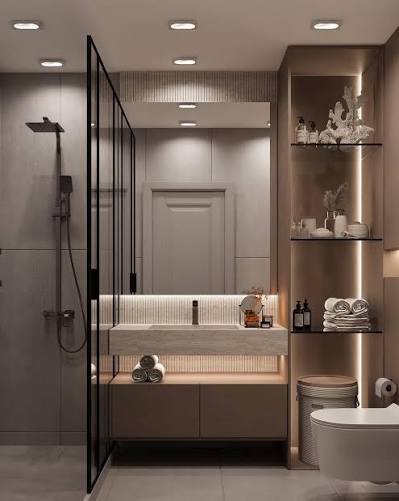
Look at the silhouette, proportion and visual weight of a piece. A simple profile can work alongside an older table or a textured rug without requiring a matching suite. Decide which element should be the focus and keep the surrounding objects useful. Compare the actual finish rather than relying on a photograph to distinguish black, charcoal or a natural wood tone. Explore listings described as modern décor.
Contemporary: a room that feels current
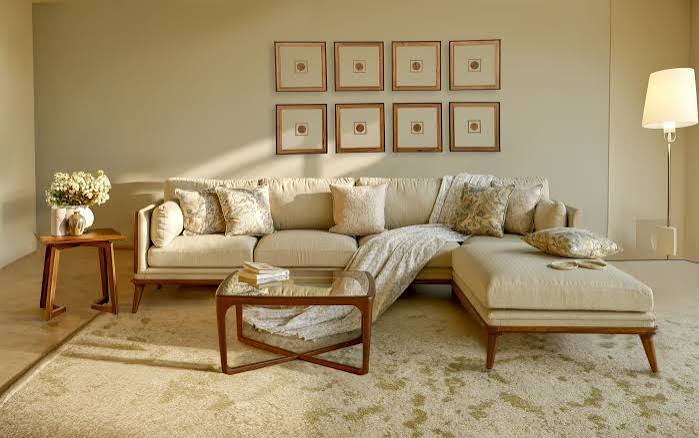
Contemporary is a broad design description rather than a fixed specification. Compare upholstery, leg shape and the size of each piece against your room. A shared visual language can connect different sellers’ products, but finishes are not guaranteed to match. The Ayla sofa is described as contemporary in its listing. Browse current contemporary furniture and compare the individual seller offers.
Minimalist: edit the room around its purpose
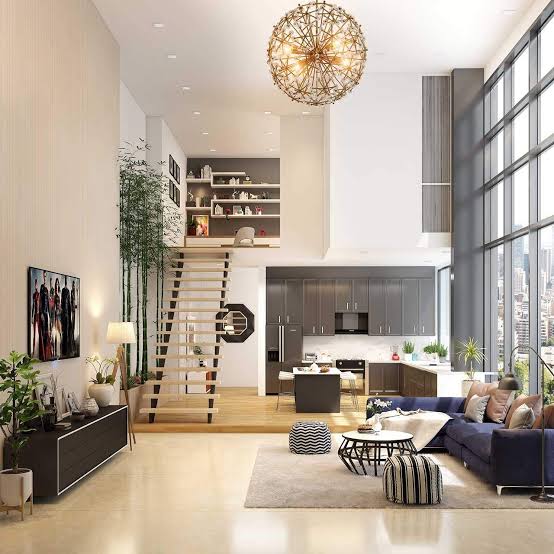
Start with the objects you need each day. Choose storage for what will stay in the room, leave practical circulation space and avoid buying additional pieces simply to fill an empty corner. Minimal visual styling does not mean a product has fewer components, better construction or a particular material. Request the dimensions and usable storage layout. Use the room destinations to choose the right furniture function first.
Classic: proportion before ornament
Assess the whole outline before concentrating on a decorative detail. The relationship between seat, back, arms and surrounding furniture matters more than a label. If you are coordinating new and existing pieces, send the seller daylight photographs and ask for a finish sample where available. Carved details, patterned fabric and metal hardware should be described separately; a classic appearance does not establish age, heritage or handmade production.
Luxury: compare the substance of the offer
Treat luxury as a design direction, not a quality certificate. Ask what construction, upholstery, finish and supplied components account for the price. Confirm which details are included and which are optional. Compare the same specification across seller offers before choosing. Request item-specific care, warranty and assembly information; do not assume that a premium appearance includes a longer warranty or white-glove delivery.
Bring two directions together
Keep one repeated element, such as a finish tone or a shape, and allow the remaining pieces to serve different functions. A compact room may benefit from one expressive object and quieter supporting pieces. Recheck measurements, access and cleaning needs before ordering. If you want help making the layout work, prepare a home services enquiry with photographs and measurements.